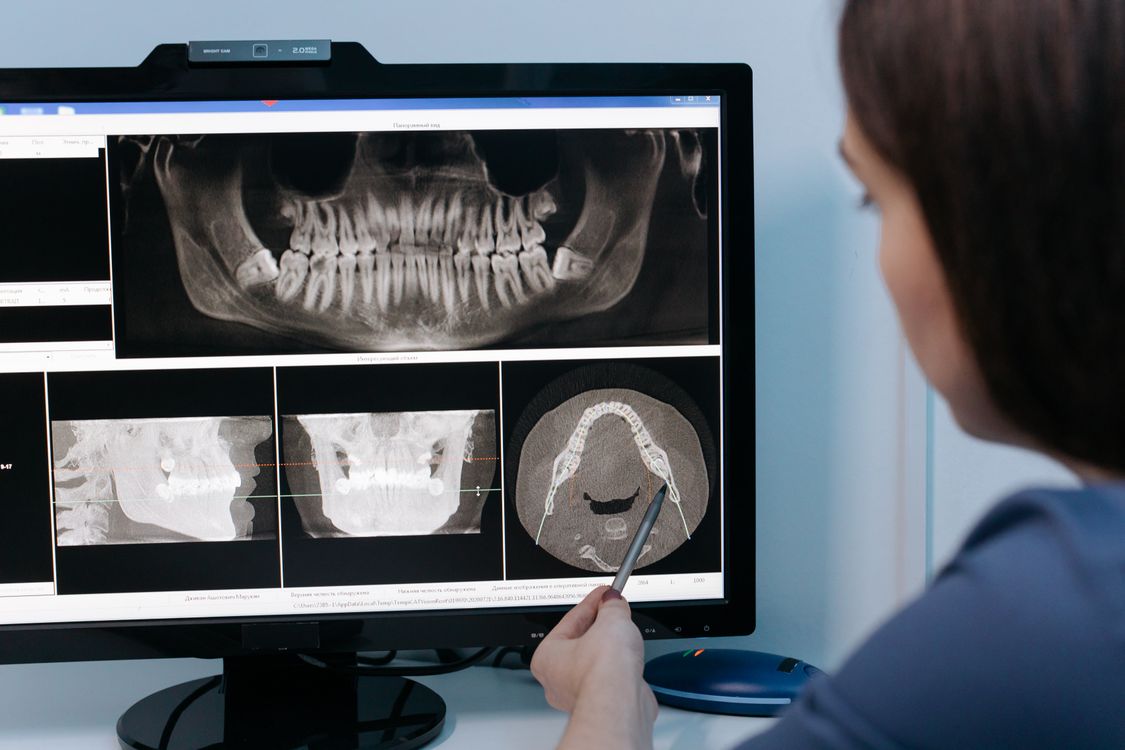
Start with the diagnosis
A damaged tooth does not automatically need to be removed. A dentist first considers its remaining structure, the health of the surrounding gums and bone, and whether treatment can provide a useful, maintainable result. An expert review in the British Dental Journal describes this as a whole-patient decision, rather than a contest between root canal treatment and implants.
Sources: Bhuva, Shah and Mannocci: Endodontic and dental implant treatment—key considerations and comparisons
Compare the complete plan
A tooth that can be restored may be treated and rebuilt. When that is not predictable, extraction and replacement may be discussed. Both approaches can have good outcomes, but neither eliminates the possibility of complications. Ask about the expected prognosis, the procedures involved, ongoing maintenance, costs, and the alternatives before deciding.
Sources: Bhuva, Shah and Mannocci: Endodontic and dental implant treatment—key considerations and comparisons
Replacing a missing tooth
Depending on the situation, a dentist may recommend a bridge, a removable replacement, or an implant. A gap can affect chewing and allow neighboring teeth to move. Your dentist can explain which choices fit your mouth and whether other treatment should happen first.
Where orthodontics fits
If you are considering braces or aligners, tell your orthodontist about a tooth that may need treatment or replacement. Bring the proposed dental plan to your consultation and ask whether tooth movement and restorative care need to be coordinated. An orthodontic consultation is not a substitute for an evaluation of the damaged tooth by your treating dentist.
Before making a decision, ask: Can this tooth be predictably maintained? What happens if we wait? Who will provide each part of the care, and in what order?